



The job follows you home. At Purple Treatment Center for Men, our first responders rehab in Georgia was built for men ready to do something for themselves. You’ll find people here who understand what this work actually does to a man over time. They’re not going to ask you to explain it from scratch.
Why First Responders Struggle with Addiction
The numbers give you a sense of how widespread this is. The SAMHSA puts the number at roughly 1.35 million U.S. first responders battling substance use or addiction. Of the 4.5 million first responders nationwide, nearly 1 in 3 is dealing with a behavioral health condition. Around 900,000 misuse prescription medications or illicit drugs. Between 1.1 and 1.35 million show drinking patterns in the problematic range. Behind every one of those numbers is a man who kept showing up and paid a price most people never see.
Most people don’t talk about what the job does to you. You show up to the next call, then the one after. Somewhere along the way, alcohol or pills start filling a gap that nothing else touches. It’s not a weakness. It’s what happens when the pressure has nowhere to go. The men here have been in that same place.
The stigma in first responder culture makes it worse. Asking for help can feel like going against everything the job trained you to be. Too many men spend years convincing themselves they’ve got it handled. We’ve sat with enough of them to know the difference. A man who’s fine looks different from a man who’s learned to look fine.
Rehab for First Responders at Purple
A cop and a firefighter don’t carry the same things into treatment. Neither does a paramedic. The job shapes what drove the addiction, and that shapes how we approach the work. We’re not going to hand you the same plan we handed the last guy. What you’ve been through matters, and it shows up in how we build your care from day one.
Rehab for Police
Between 140,000 and 210,000 of the roughly 700,000 sworn officers in the U.S. struggle with a substance use disorder. Most of them didn’t see it coming. The job demands a lot: long shifts, high stakes, and a culture where asking for help can feel like career suicide. A lot of officers drink to decompress or take something to sleep. By the time it becomes a problem, it’s been going on for years. Rehab for police at Purple starts with understanding all of that before anything else.
Rehab for Firefighters
Between 290,000 and 300,000 firefighters struggle with alcohol abuse. Another 100,000 misuse prescription drugs. The grief builds in ways most firefighters never get to process. Rehab for firefighters here isn’t about changing who you are. It’s about dealing with what the job has cost you. The men beside you here have been in that same place and know what it takes.
Rehab for EMTs and Paramedics
Out of roughly 240,000 active EMS workers, about 96,000 struggle with problematic drug or alcohol use. EMS workers see traumatic situations constantly, often one right after another, with little time to process any of it. Secondary trauma builds quietly. Most EMTs and paramedics don’t connect what they’re experiencing to the drinking or the pills. We name it, and then we help you work through it alongside men who’ve come out the other side.
The Role of Trauma in First Responder Addiction
Most first responders don’t think of what they’ve been through as trauma. It’s just the job. But years of hard calls, things witnessed and never processed, and stress with nowhere to go leave a mark. A lot of men start drinking more or leaning on something to get through the night. It doesn’t feel like a problem at first. By the time it does, the habit has usually been building for years.
Trauma-informed care isn’t something we offer as an add-on. It’s how we work. The nervous system holds onto high-stress experiences long after they’re over. Sleep gets hard, and so does feeling much of anything without something chemical involved. When the addiction and the trauma driving it get addressed together, the progress tends to hold. Men who carry PTSD, anxiety, or depression alongside substance use get those conditions worked on at the same time, not after.
What to Expect from First Responders Rehab in Georgia
First responders rehab in Georgia at Purple is built around your story. Your profession, your history, and the specific pressures driving substance use all shape the plan. Some men come in unsure what level of care fits. Your team works through it with you. The goal isn’t just getting sober. It’s building something that holds up when life gets hard again.
Our 4-acre campus has a private, remote feel. You’re still close to work, family, and local amenities. Small groups mean the team actually knows you. The men going through this alongside you will understand your world in ways most people in your life never have.
If you need to clear substances from your system safely, detox placement is where things start. From there, most men move into PHP with supportive housing, which means daily programming with sober housing right here on our property. Going back to the same environment that drives the problem isn’t something you have to do. Our partial hospitalization program runs five to six days a week for men living off-site. Our intensive outpatient program runs three to four days a week for men who are further along and balancing work or family. Aftercare gets figured out early, so you’re not left wondering what comes next when active treatment wraps up.
How We Support Your Recovery
Not every man who walks in here is dealing with the same thing. The services in our program reflect that. Your team puts together something specific to your history, your profession, and where you actually are when you arrive. If something isn’t working, it gets adjusted. That’s just how we operate here.
Personalized Care
Personalized Care is one-on-one work with a therapist who will be straight with you about what’s driving the addiction and what needs to change. You’ll dig into what’s actually behind the substance use, not just the surface behavior. Sessions are shaped around your history and your profession because those things matter here. A police officer and a paramedic don’t carry the same weight, and your sessions won’t treat them like they do. Many men say this is where things start to move.
Healing the Wounds
Most men in this line of work have never had anyone sit down with them and ask what the job has actually done to them. Healing the Wounds does that. It works through the experiences that stuck with you, the ones that still show up at night or when things get quiet. You don’t have to have the right words for it. The therapists here have worked with enough first responders to understand what you’ve been carrying, and they’re not going to judge you for any of it.
Foundations for Living
Years of shift work and running from one crisis to the next can leave the basics of daily life in pretty rough shape. Sleep schedules are off. Finances are a mess. Relationships have taken hits. Foundations for Living works on the practical side of things, like managing money, handling stress without defaulting to old habits, and building a daily routine that actually works. It sounds straightforward, but for a lot of men coming out of high-pressure careers, this is where some of the biggest gaps appear. The men who take it seriously tend to be the ones who stay well.
Life-Long Brotherhood
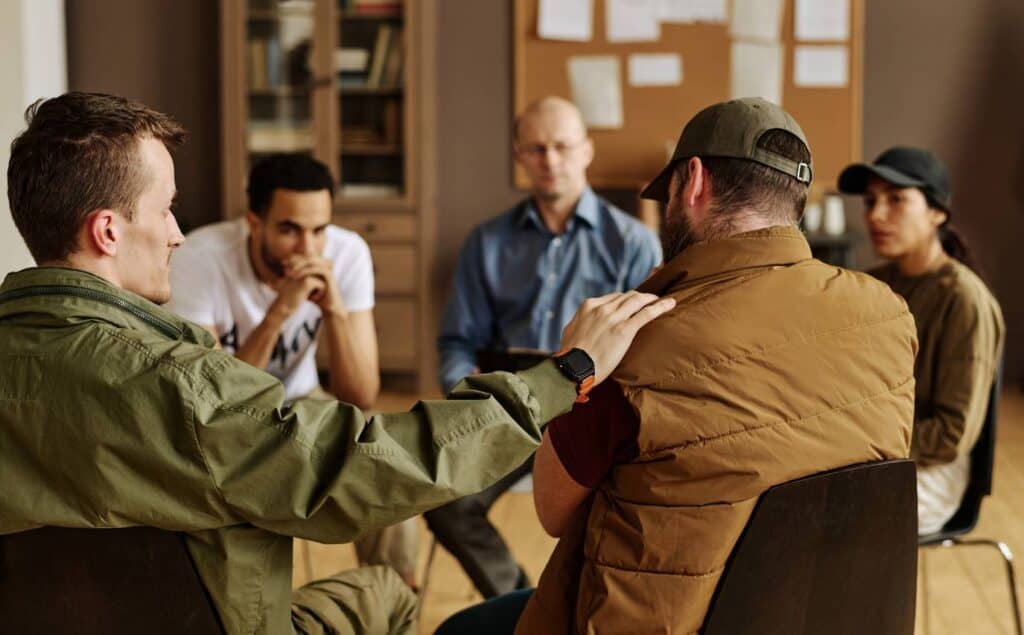
First responder work is isolating in a specific way. You see things most people around you will never see, and there aren’t many places to talk about them honestly. Life-Long Brotherhood puts you in a room with men who’ve been through similar experiences and don’t need it explained. That shared understanding changes how recovery feels. You’re not going through it alone, and when active treatment ends, the community stays. Alumni events, peer mentorship, and men who check in on each other mean you have real people in your corner long after you leave campus.