



The years between 18 and 25 are supposed to be about figuring out who you are. For a lot of young men, substances become part of that picture before they realize what’s happening. At Purple Recovery Center for Men, our rehab for young men in Georgia is built for men at this exact stage. The habits are still forming, and the right support at the right time can genuinely change where a man ends up.
Why Young Men Struggle with Addiction
Young adulthood is one of the highest-risk windows for developing a substance use disorder. The brain isn’t fully developed until the mid-20s. Impulsivity, risk-taking, and emotional intensity are all running high at the same time. Independence kicks in along with the pressure to succeed, find direction, and meet expectations. All these things push a lot of young men toward alcohol or drugs as a way to cope.
According to the 2024 National Survey on Drug Use and Health, 6.2 million young adults had a past-year drug use disorder, and 5 million had a past-year alcohol use disorder. Drug rehab for young men matters because early intervention produces significantly better long-term outcomes. The sooner the cycle gets interrupted, the more of life a young man gets back. Waiting until things get worse is rarely the move.
What starts as recreational use or stress relief can shift into dependency faster than most young men expect. By the time it becomes obvious something is wrong, the habit has usually been quietly building. Drug and alcohol rehab for young men has to meet men where they actually are. Expecting them to show up already knowing they have a problem doesn’t work. Most are still figuring that out when they walk through the door.
Mental Health in Young Men and Addiction
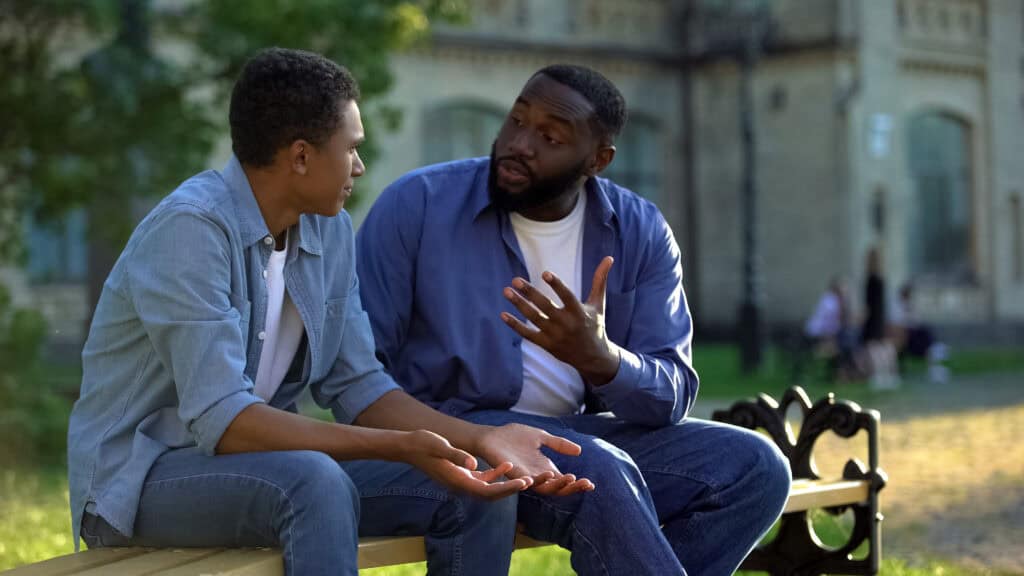
Mental health in young men is one of the most underdiscussed factors driving substance use in this age group. Young men are less likely to seek help for anxiety, depression, or trauma. Instead, they manage those things through drinking or drug use. By the time substance use becomes the presenting problem, there’s often a mental health condition also occurring.
According to the same national report, 5.5 million young adults had past-year co-occurring substance use and mental health disorders. At Purple, our dual diagnosis approach addresses both conditions through a single, coordinated plan. Treating one without the other leaves too much to chance. For young men especially, incomplete treatment is often what leads back to old patterns. When both get worked on at the same time, progress tends to hold.
Rehab for Young Men in Georgia at Purple
Rehab for young men in Georgia at Purple goes beyond getting through withdrawal or completing a program. The focus is on understanding what drove substance use in the first place. Every man gets a plan tailored around his specific history, his goals, and where he actually is. Nobody here is going to hand you a template designed for someone else. The work starts with figuring out what’s actually going on with you.
Our 4-acre campus in Lawrenceville has a private, remote feel. Men stay connected to work, school, and family when needed. Those who want a more immersive experience can stay in housing on our property, attending daily programming while handling daily responsibilities. The campus creates real separation from the environments driving the problem. For young men still building the habits and boundaries they’ll carry forward, that separation matters.
Programs available through our pathways include detox placement for men who need to clear substances safely first. From there, PHP with supportive housing gives men daily programming alongside sober housing on campus. Our partial hospitalization program runs five to six days a week for men living off-site. Our intensive outpatient program runs three to four days a week for men further along. Our outpatient program offers continued support as men step back into daily life with a solid foundation under them.

What to Expect from Addiction Treatment for Young Men at Purple
The services here are chosen because they work for young men dealing with both addiction and the specific pressures of early adulthood. Your team builds something specific to you and adjusts it as you move forward. Nobody here is going to tell you what you want to hear just to keep things comfortable. The work is honest, and so is the support around it.
Here are some of the core services available through our program:
- Personalized Care: Individual therapy sessions with a therapist who helps you understand what’s actually driving the addiction. You work through your history, your patterns, and the pressures specific to where you are in life, without an audience and without judgment.
- Healing the Wounds: Trauma-informed therapy addressing the experiences most men have difficulty discussing. For many young men, unprocessed pain from earlier in life is a significant driver of addiction, and this therapy addresses it directly.
- Foundations for Living: Practical skill-building for managing stress, handling conflict, and creating daily structure that holds up under real pressure. Young men often enter treatment without some of these fundamentals, and building them here changes what life looks like on the other side.
- Family Recovery: Structured sessions to bring family members into the process when appropriate. Addiction affects more than the young man going through it, and rebuilding trust and communication at home is part of what makes recovery stick.
- Life-Long Brotherhood: Connection to an alumni community of men who’ve been through similar experiences and stayed well. For young men who’ve often felt isolated in their struggle, finding a brotherhood who understands and stays accountable makes a lasting difference.
These services work together as one approach, not a checklist of separate pieces. Young men build real relationships alongside real skills. The connections made here often become one of the most grounding parts of the whole experience. Recovery developed inside a community holds up better than recovery built alone. The men who show up fully, do the work, and let the community around them in are the ones who stay well long after the program ends.